



The "local methods" of western campus football are quietly changing destinies

18/08/2026 13:35:06 乐邦
 0
0  0
0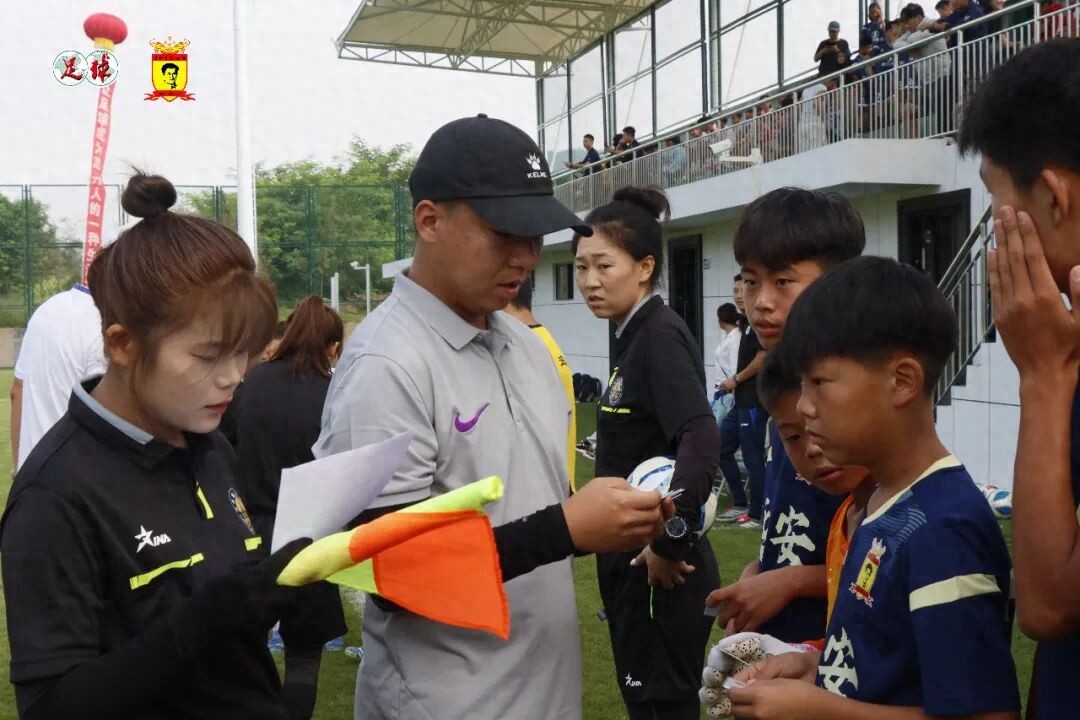
Reporter Lu Mi reports from Zhidan. Many people believe that due to economic conditions and football traditions, it is difficult for western regions to achieve results in youth football. However, at the "Century-Old Famous Schools Football Elite Exchange Competition" primary school group held in Zhidan, Shaanxi, several western primary school teams from Qumalai, Qinghai, Zhidan, Shaanxi, Baotou, Inner Mongolia, and Linfen, Shanxi, appeared on the same stage, vividly demonstrating youth training stories with unique local characteristics. They successfully built a campus football training system suitable for local development in the west, also showing the outside world the hope and focus points hidden in western football.

In Qumalai County, Yushu, Qinghai, located at the source of the Yellow River with an average altitude of 4,300 to 4,500 meters, the highest-altitude large-scale youth football training system in China—the Qumalai Kereisi Club—was born. This youth training team, centered on Tibetan pastoral children, started from the difficult conditions of the plateau grasslands and gradually stepped out of the plateau to the national arena, becoming a model for western football development.
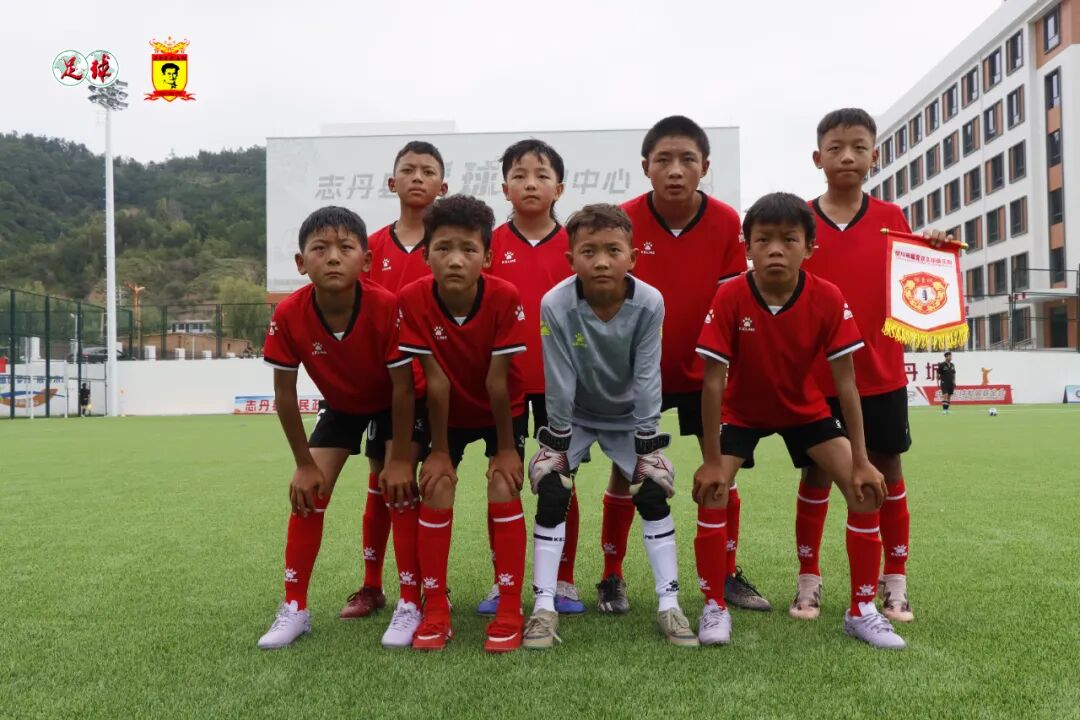
Qumalai is located in a high-altitude area with a sparse population, where most families rely on herding. When Qumalai Kereisi first started campus football locally, it faced difficulties everywhere. Coach Kang Ning said: "In the early days, there was no dedicated field, and children could only train on empty land covered with gravel and frozen soil. Training in the cold wind and snowstorms was the norm. Affected by family conditions, the most basic training equipment was scarce at the start of campus football. A greater difficulty was that herder parents initially had little understanding of football. They generally believed that children playing football would delay herding and studies, and were unwilling to support their children's participation in training. We faced many obstacles in teaching."
After entering the local campus in 2021, Qumalai Kereisi arranged for coaches to stay and be responsible for daily training. The club's elite coaches, such as Kang Ning and Jiang Jianwei, drove from Xining to the county every month to lead training sessions. "It takes a whole day of driving, no matter what the weather, we must go and complete the training because the children are waiting for us."
At the beginning of football development, these Tibetan children trained on the grasslands using natural resources. Without goalposts, they used cow dung to build them. The two coaches observed that the pastoral children, who roamed the grasslands year-round, had outstanding endurance and physical confrontation talent, but on the other hand, because they had never left the grasslands, they were introverted and shy in communication. "Some difficulties in life are hard for ordinary people to imagine. For example, once when they went to Chengdu for a competition, the children had never eaten egg custard, and they ended up eating so much that they were stuffed. This time when they came to Zhidan for the competition, the children had obvious symptoms of oxygen debt after descending from the plateau, and it was also quite difficult to wake them up in the morning," said Jiang Jianwei.
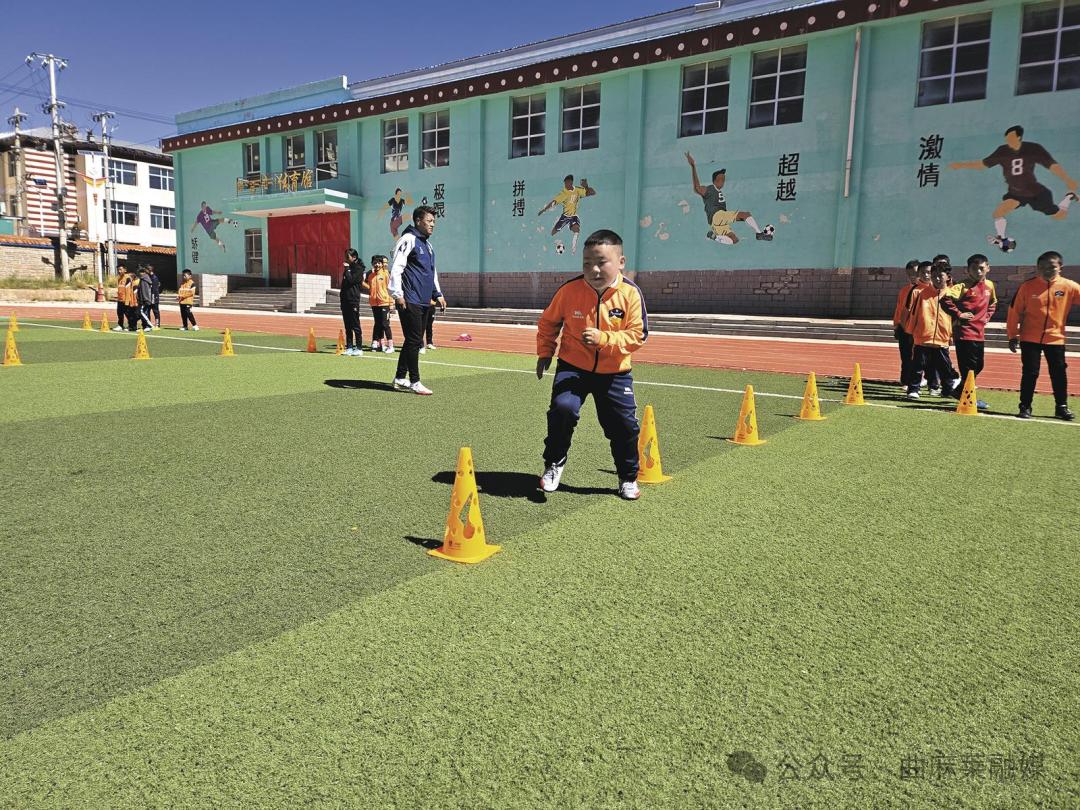
Image source: Qumalai Media Convergence Center
Dedicated efforts will surely yield results. Kereisi's years of pioneering work have gained recognition and support from the local government and all sectors of society. Currently, Qumalai's youth training has entered the fast lane. The local area has launched the "Yellow River Source Dream Chasing · Young Player Cultivation Plan," opening up channels for external competitions, talent cultivation, and transfer. Some central enterprise special aid projects have also been implemented, with special funds invested to support coach residency, equipment updates, and competition travel expenses. The team regularly goes to Beijing, Suzhou, Nanjing, Chengdu, Xi'an, and other places for training and exchanges, successfully connecting with professional youth training systems. "At the beginning of this year, we went out for winter training, and Changchun Yatai selected several of our children." At the same time, more than 30 youth training students have been admitted to quality middle schools inside and outside the province through their football skills, creating a growth path from football to higher education. Over the years, from zero to one, football has taken root and blossomed in Qumalai, becoming an important channel for outstanding youth trainees to leave the grasslands and change their destinies.
Can campus football be developed in high-altitude, cold regions? How can youth training be carried out in football-barren areas? Qumalai Kereisi, through the club's persistence and government support, has sown the seeds of football in the snowy land, providing a vivid example for campus football development in high-altitude areas and pastoral counties.

As a provincial-level traditional campus football school, the host of this competition, Zhidan County Shizhen Primary School, has deeply integrated football into its daily school operations for decades. In teaching, it insists on universal participation, offering at least two football classes per week for all students. In structure, both boys' and girls' school teams are built simultaneously, breaking the traditional bias of grassroots football favoring boys. In terms of teachers, it relies on local backbone physical education teachers to lead training. In goals, it follows the philosophy of "play football first, educate people later," integrating the hardworking, united, and resilient spirit of the Loess Plateau into moral education. Football activities are not only about competitive results but also about shaping children's confidence and tenacity. Coach Hao Chenxi said: "The biggest characteristic of our children who play football is that they can endure hardship and are not afraid of injury. Compared with children from the south, their physical fitness is also excellent. In our daily teaching, we not only emphasize the polishing of basic skills but also focus on the education of willpower and character. Our goal is to cultivate batches of children with good morals and skills."
The school is embedded in the county's complete youth training chain, with campus-wide popularization and talent selection, connecting to the county-level cup and county-level echelons, and opening up the special talent promotion channel from primary school to university. Hao Chenxi's father was a teacher at Zhidan County Shizhen Primary School, and Hao himself completed his studies through football and then returned to his hometown to continue cultivating the next generation of football players: "If I hadn't learned to play football as a child, I might not have what I have today."
One of the goals of local campus football development is to provide positive growth paths for more "Hao Chenxis" and improve their life trajectories. Over the years, many students have been selected for county teams to compete in provincial and international events. Not long ago, the principal personally led a team to Africa for a competition, and the school once represented Zhidan in winning the Russian International Children's Mini Football Championship.
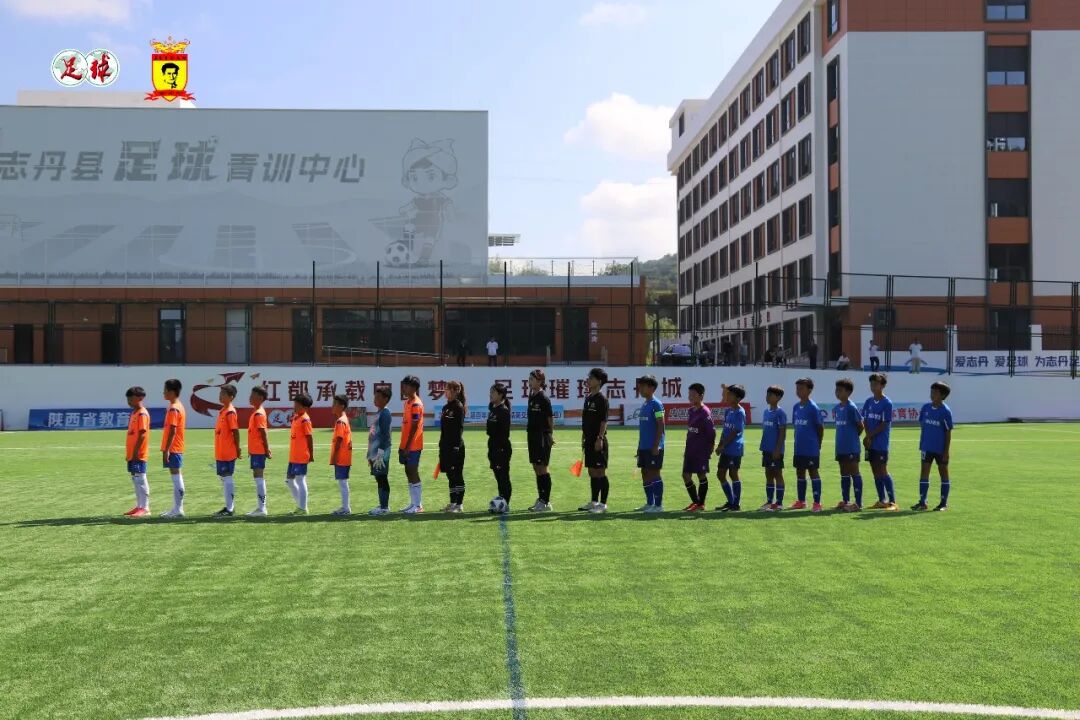
Coordinating the resources of 37 football fields, standardized turf fields have completely replaced the former loess training grounds, gradually filling the hardware gaps. This model of campus football, which does not rely on large capital but builds on local forces, has forged a football path with Zhidan characteristics. Of course, local campus football also faces challenges such as insufficient professional coaches and narrow career advancement channels.
Continuous efforts will surely yield results. Hao Chenxi said: "We cannot pursue the accumulation of high-end resources. Over the years, the stable local teaching staff and mature academic and competition systems have made us understand that sustained deep cultivation can lay a solid foundation for youth football and provide a replicable development model for county-level football in the western region." Currently, the Zhidan Youth Training Center has introduced a Korean coaching team to settle in the county, gradually achieving elite training on the basis of universal participation.

A common difficulty in developing campus football in the western region is the need to patiently change parents' misconceptions about football. Coach Kang Zhikuan from Baotou Tuanjie Road Third Primary School knows this best. He said: "In Inner Mongolia, there are many sports to engage in, such as ice and snow sports, weightlifting, etc. In the past, parents thought that children playing football was just a form of playfulness, and they were generally unwilling to spend money on football for their children."
Difficulties certainly exist. Should we stop in the face of difficulties or move forward steadily? Kang Zhikuan has been coaching at Baotou Tuanjie Road Third Primary School for nearly two years. Although affected by objective factors, the team's level cannot be improved suddenly, but vertical comparison shows significant progress. More importantly, the development situation has opened up. Kang Zhikuan said: "Now, people generally recognize the educational function and value of football. Parents actively cooperate with training and are willing to pay for their children to participate in competitions. Our children's weekly training time has greatly increased. Although it still cannot compare with traditional strong teams like Zhengshang Road, compared to the blank slate before, the situation is really much better now."
Inner Mongolia is not short of good talents. The children here have excellent physical fitness, confrontation ability, and execution. For example, Cao Yu, the goalkeeper selected for the national youth team born in 2007, is from Baotou and was a player Kang Zhikuan watched grow up. Kang Zhikuan said that in recent years, many Inner Mongolian players have entered professional leagues, confirming the necessity and potential of developing campus football in western regions like Inner Mongolia, and it is also a responsibility for football people.
One difficulty in developing campus football in Inner Mongolia is the huge east-west span, which makes inter-regional competitions inconvenient for travel. Coupled with the weak local football foundation, many children's understanding of football requires more time and effort to develop. However, in Kang Zhikuan's view, natural difficulties are not insurmountable. As long as schools, parents, and coaches work together and persist in the sustainable development of campus football, western football can continuously narrow the gap with developed eastern football regions.
Linfen No. 1 Central Primary School in Shanxi is also one of the central and western school representatives participating in this competition. Coach Tian Jie introduced: "The biggest characteristics of campus football in Linfen are the wide coverage, mature school-club cooperation, and complete competition system. Relying on local youth training forces, it has formed a sports-education integration development model suitable for the local area."
The model of campus football in Linfen is to take county-level characteristic schools as the lead, driving township and rural schools to carry out football activities and organize competitions. Teams from various counties and districts participate, forming a stable system of competitions, training, and talent selection. In this process, Mushang Football Club, where Tian Jie works, has established school-club cooperation with many primary and secondary schools in Linfen, relying on campuses to discover football talents. Young players complete their cultural courses at school before receiving systematic training from the club. Tian Jie said: "Linfen has gradually built a talent cultivation channel from primary school to junior high school. Our children often participate in various major competitions within and outside the city. The children who came to Zhidan for this competition are all excellent youth football players with comprehensive qualities from Linfen. We hope to gradually cultivate a football style characterized by correct attitude, hard work, strong execution, emphasis on teamwork, and tough play."


Wonderfulshortvideo

mbappe news mbappe edit mbappe new shoe boot deal mbappe nike



julian alvarez barcelona news

James Trafford’s big moment in the U21 EURO final 🤯

RODRI BARCELONA transfer barcelona news today rodri to barcelona transfer here we go

gianni infantino and trump drama news

jorge messi death messi news today football news today

jose mourinho netflix documentary pep guardiola mourinho beef mourinho edit
 Links
Links
 Contact