



Aiming for the Champions League Trophy: Rodri's Barcelona Dream and the "Opportunistic" Media Myth

18/08/2026 07:00:24 VictoryVox
 0
0  0
0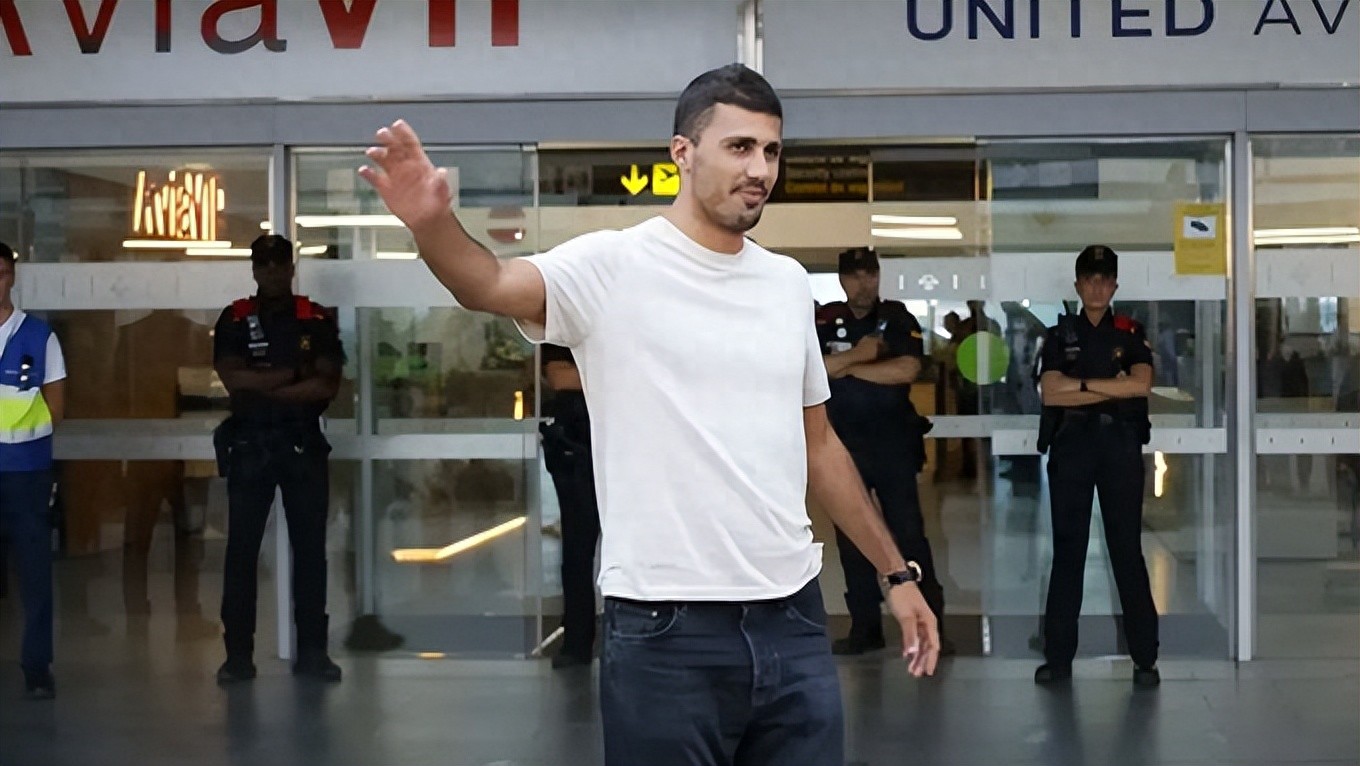
When Rodri stepped out of the Barcelona private jet terminal and said, "Playing for Barcelona is my dream, and we will fight for the Champions League and everything" when he said that, this standard football PR rhetoric unexpectedly stirred up a wave of controversy in the public opinion sphere. Many fans mercilessly mocked him for being "opportunistic," believing that as a native Madrilenian, his true allegiance was always Real Madrid, and this heartfelt confession seemed too hypocritical. However, if we look past the emotional fog and examine the complex game behind this transfer, we will find that Rodri's "dream" might not be an excuse for a last-minute change of heart, but rather the most genuine destination after realistic considerations and emotional struggles.
The fans' anger and confusion are not unfounded. From a geographical and historical perspective, Rodri was indeed once very close to the Bernabéu. According to multiple media reports, Real Madrid had reached a verbal agreement with Rodri, and the player himself was open to returning to Spain and joining Real Madrid. In the eyes of the outside world, this seemed like a predestined "homecoming journey." Therefore, when he finally donned the Blaugrana jersey, those disappointed expectations naturally turned into accusations of "turning coat."
However, football transfers in professional sports are never simply a "hometown hero" narrative; they are more like a comprehensive game involving money, tactics, interpersonal relationships, and even dignity. Rodri's final choice of Barcelona has a very rational tactical compatibility logic. The systems of Real Madrid and Manchester City are completely different. Under Real Madrid's current tactical framework, Rodri might face insufficient allocation of tactical resources. On the other hand, Barcelona, with De Jong out for a long time, urgently needs a true "midfield metronome," and Rodri's probability of seamlessly integrating into Flick's system is obviously higher. Moreover, Barcelona has as many as 8 Spanish national team teammates, and this natural chemistry and locker room atmosphere are intangible assets that no tactical board can replace.
What cannot be overlooked is that this transfer was also facilitated by Real Madrid's "arrogance" and hesitation at a critical moment. When Barcelona decisively offered a transfer fee of 60 million euros and a 4-year contract, Real Madrid, due to concerns about the player's age and injury history, tried to further lower the price at the negotiating table. In the competition for top players, such fine-grained calculations are often interpreted by the player as a lack of sufficient sincerity. Coupled with some off-field factors from the previous Ballon d'Or selection, Rodri developed a subtle grudge towards Real Madrid. When Barcelona's sporting director Deco and coach Flick personally called, showing unreserved eagerness, the tilt of the scales became inevitable.
Therefore, when we hear Rodri utter the word "dream" again, perhaps we should not hastily label him as "hypocritical." For a 30-year-old top midfielder at the tail end of his prime, choosing a team that fits his tactical style best, has the most familiar teammates, and shows the greatest sincerity towards him, is itself the most responsible attitude towards his career. His "aiming for the Big Ears Cup" is not only a promise to Barcelona fans but also a confirmation of his true inner desire after a long transfer tug-of-war.
In this era of information explosion and emotion-driven judgments, we are used to evaluating players with a binary black-and-white perspective. But Rodri's transfer tells us that in the adult world, especially in the harsh ecosystem of top professional sports, the so-called "dream" is often the most difficult but also the most correct choice after weighing tactics, money, personal relationships, and dignity. As for whether he can fulfill this promise at the Camp Nou, time is the only judge.
Watch La Liga on Migu Video!


Wonderfulshortvideo
mbappe news mbappe edit mbappe new shoe boot deal mbappe nike


julian alvarez barcelona news
James Trafford’s big moment in the U21 EURO final 🤯
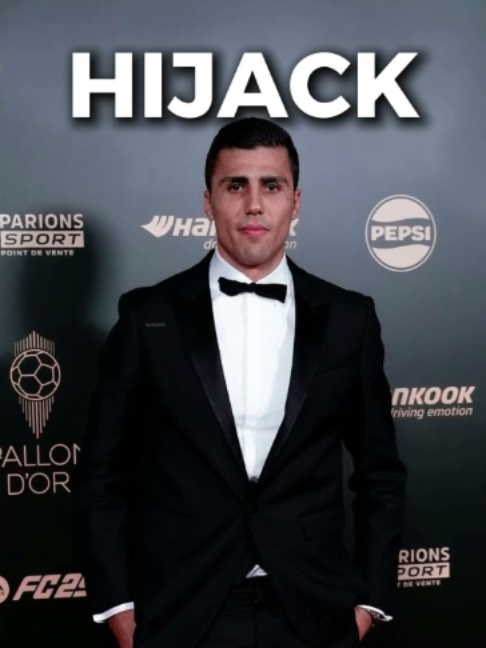
RODRI BARCELONA transfer barcelona news today rodri to barcelona transfer here we go
gianni infantino and trump drama news
jorge messi death messi news today football news today
jose mourinho netflix documentary pep guardiola mourinho beef mourinho edit
 Links
Links
 Contact