



Scraping Poison to Heal the Bone, Changchun Yatai Forges a New Custody Model

17/08/2026 10:35:06 VictoryVox
 0
0  0
0
Special Contributor / Liu Zhun The 2026 China League One season is halfway through, and Changchun Yatai remains unremarkable on the standings, far from the image fans hold of the former Chinese Super League stalwart. However, looking back eight months, the team had already staged a dramatic turnaround. Once on the brink of dissolution and just one step away from falling to the China League Two, Changchun Yatai now stands firm in the professional league, playing steadily and recovering step by step. This 30-year-old club survived the winter not simply by relying on government "blood transfusions." The custody reform led by the Changchun Sports Bureau breaks away from the common emergency rescue approaches seen in many domestic clubs. Instead of merely providing financial bailouts, it targets deep-rooted issues, scrapes the poison to heal the bone, and systematically reshapes the club. Amid the overall cooling of Chinese professional football and the struggle of clubs to survive, Changchun is exploring a more grounded, sustainable, and replicable path for the revival of veteran clubs.

In November 2025, Changchun Yatai lost to Beijing Guoan and was relegated from the Chinese Super League again. This defeat seemed like a single match loss, but behind it was the complete explosion of years of accumulated financial crisis. Starting from 2019, the club had been operating by "borrowing against future earnings" to cover current gaps. Over six years, unpaid wages, taxes, and various cooperative debts piled up, forming a snowballing debt burden. The club's financial system eventually collapsed under the pressure, reaching a point of complete fund depletion in 2025.
To cover the operational costs of the 2025 season, the club at the end of that year, in a final act of "eating next year's grain," pre-spent commercial sponsorship for the 2026 season. This meant using all of the new season's operational funds to pay off old debts, directly leaving Changchun Yatai with nearly zero available operational funds for the 2026 season. At that point, the club had prepared for the worst: if the capital chain completely broke, it would dissolve and start over from the China League Two.
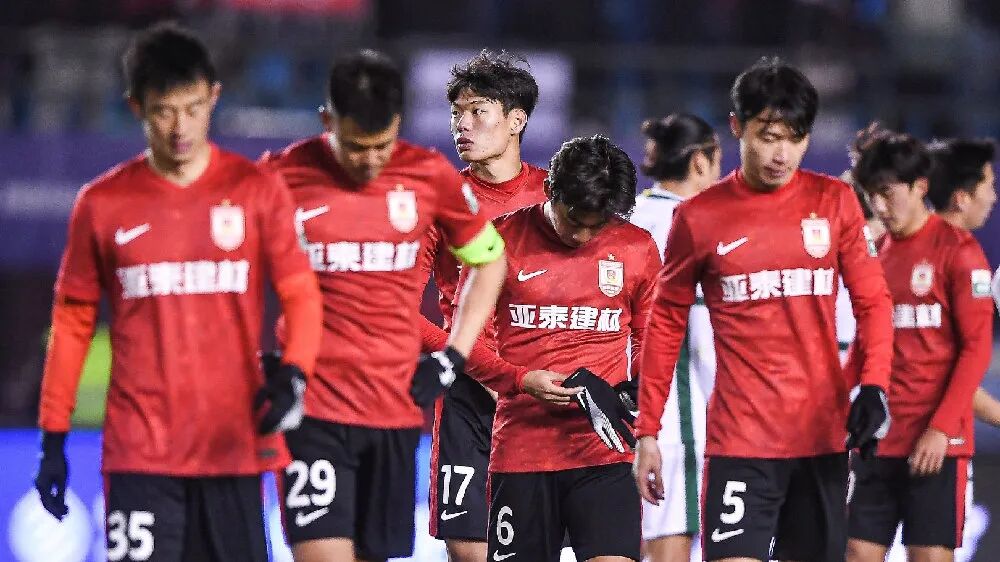
As the brightest city card for Changchun football, the survival of Changchun Yatai directly affects the quality of this national football key city. The team's desperate situation quickly drew high-level attention from both Jilin Province and Changchun City governments. At the critical moment, the Changchun Sports Bureau took the initiative to assume the main responsibility of custody. From the outset, a clear tone was set: the primary goal of custody is by no means short-term life support or bleeding control, but rather to dig deep into the disease, eradicate chronic problems, while preserving the present—stabilizing the team's current foundation—and promoting long-term development, building a stable and sustainable framework for the club.
Over the past six years, unpaid salaries and low morale have been the biggest factors restricting Changchun Yatai's competitiveness. For a professional team, stable and full salary payments are the most basic guarantee for players to play with peace of mind, for the team to perform consistently, and for retaining quality talent.More than half a year after custody was implemented, the most obvious change is: no more unpaid wages. In the first 17 rounds of the 2026 China League One season, salaries and bonuses for the first team and coaching staff have been paid on time and in full, completely solving the problem that had plagued the club for years.The vicious cycle of borrowing from the future and robbing Peter to pay Paul has finally ended. Relieved of survival pressure, players can train with peace of mind and compete fully. The team's cohesion and spirit have visibly improved. Even though the current league results are still in the process of recovery, there is no doubt that Yatai has emerged from the quagmire and is on the right path to revival.

When many domestic clubs face financial crises, the first choice is often shareholding reform to get out of trouble, but most get stuck on historical debt issues, ultimately leading to reform failure and team dissolution. Looking at many clubs that have been placed under custody across the domestic football scene, most are also government-led, with companies pooling money, short-term blood transfusions, and temporary bailouts. The core idea is "first ensure we can play this year, old debts can be settled later," which treats symptoms but not the root cause. Changchun Yatai's custody completely breaks away from this model. It does not take shortcuts for short-term firefighting but insists on simultaneous rectification and systematic governance, solving problems from the source.
The first step of reform targeted the bloated and inefficient internal operations. The custody team decisively streamlined institutions, reduced personnel, optimized salary structures, and cut unnecessary operational expenses with bold measures. This compressed the club's costs into a reasonable, controllable, and sustainable range, completely abandoning the old rough path of "burning money for results" and allowing the club to operate in a lightweight and healthy manner.
While strictly controlling costs, the Changchun Sports Bureau rationally defined the club's survival boundaries based on the city's size, fan market, and commercial environment, no longer pursuing unrealistic blind investment. On this basis, the Changchun Sports Bureau introduced a "4321" long-term revenue framework: commercial sponsorship accounts for 40%, player transfer and brokerage income 30%, self-operated revenues (tickets, cultural products, league dividends, venue rental) 20%, and government subsidies only 10%.
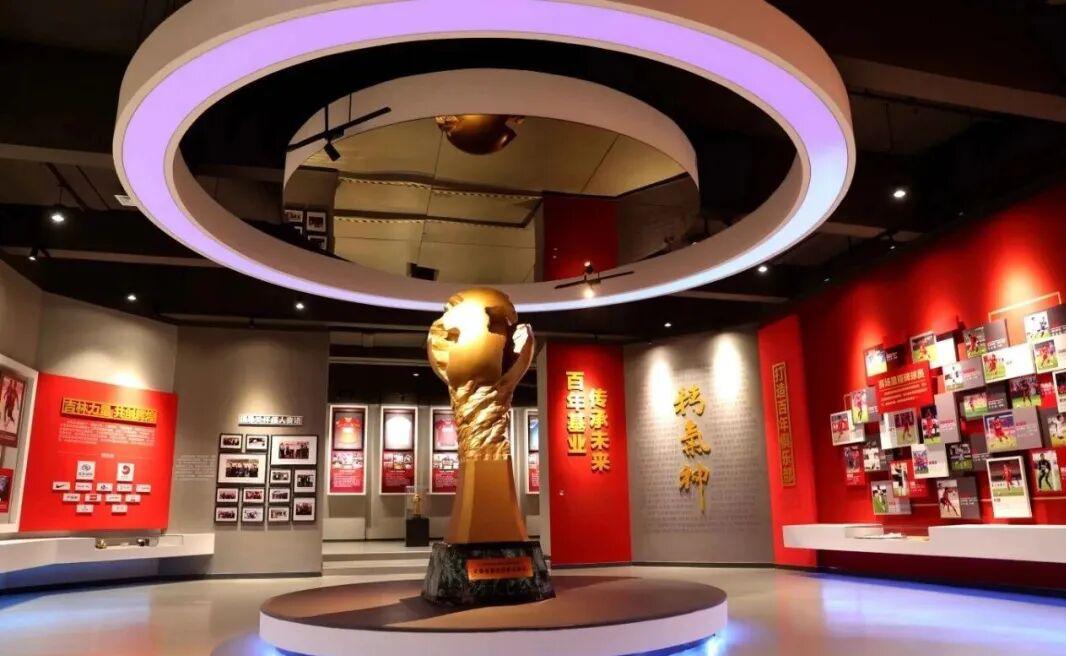
It should be clear that this structure is not a mandatory annual task but more of a financial benchmark for the club's long-term development, with guiding significance far greater than practical constraints. Its core value is to force Changchun Yatai to change its old habits of relying on subsidies and borrowing, optimize the revenue-expenditure structure, maintain financial security, and gradually shift from "relying on others for blood transfusions" to "self-hematopoiesis." Leveraging Changchun Yatai's strong youth training heritage, this development model benchmarks against international youth training powerhouses like Ajax and Southampton, making player transfer monetization a core revenue stream in the future. This pushes up youth training quality based on market demand, creating a virtuous cycle of self-sustaining growth.
Judging from the actual operation in the 2026 season, the optimization of this structure has already taken shape: the transfers of He Yiran and Xuan Zhijian brought in 12 million yuan, supporting the player brokerage segment; self-operated revenues from tickets, cultural products, and base leasing have steadily climbed, approaching 30% of total revenue; while government subsidies still account for a certain proportion, they have been significantly reduced compared to pre-custody levels, gradually moving toward the "4321" long-term target.
Few people know that in the early days of custody, the Changchun Sports Bureau, lacking practical experience, faced immense pressure. It is reported that at that time, the club's debt burden was heavy, and various affairs were intertwined. The custody team once had concerns about the prospects. However, after nearly eight months of meticulous sorting, fully understanding the club's situation, and rationalizing the "state-owned controlling interest, separation of supervision" custody operational logic, the Changchun Sports Bureau transformed from initial hesitation to full confidence. Judging from the current club operation, as long as the direction and path are correct, veteran clubs like Changchun Yatai can not only survive but also achieve healthy and sustainable development.

Many clubs under custody are accustomed to "selective treatment": prioritizing the present, shelving old debts and historical disputes for later resolution. This seems to stabilize the present but actually buries countless hidden dangers. The most commendable aspect of Changchun Yatai's custody is that it does not avoid historical burdens and dares to face the mess left by predecessors.
This custody adheres to the pragmatic principle of "no new debts, gradually resolve old debts." It aims to preserve the professional football brand of Jilin Province, stabilize the sports industry base, and thoroughly sort out historical legacy issues. While resolutely preventing new wage arrears, the custody team has made every effort to sort out and digest debts over the years, currently resolving over 10 million yuan in historical debts, effectively relieving the club's heavy stock burden.
To efficiently resolve debts, Changchun has coordinated with provincial and municipal departments to secure support resources, while improving supporting policies, broadening resolution channels, and regularly sorting out various old debts and business disputes. This completely breaks out of the shallow assistance misconception of "only caring about the present, ignoring the past." It not only manages the current season's operations and development but also proactively takes on historical legacy issues, eliminating the root cause of old debts continuously eroding the team's development and cutting off the vicious debt cycle.
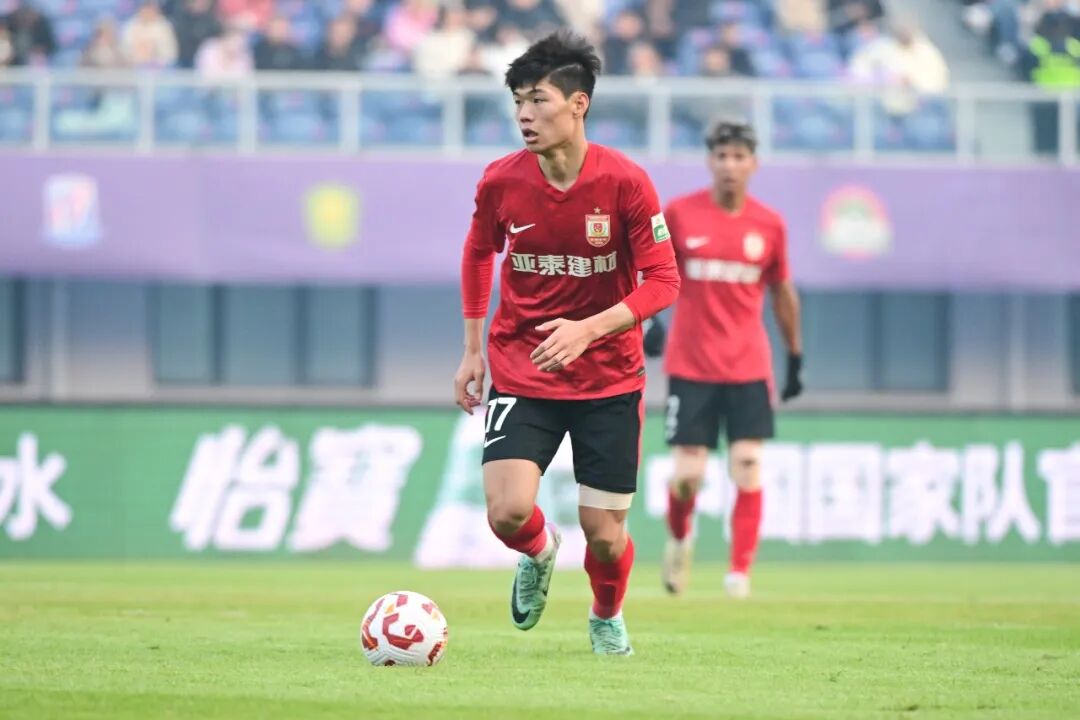
The biggest fear in resolving old debts is "new officials ignoring old affairs." This custody clearly states: historical debts are not to be passed on, but the resolution process must be compliant and transparent, never allowing "unclear accounts" to linger. As the first year of custody, the 2026 season still faces considerable practical pressure for Changchun Yatai. The issue of pre-spent sponsorship from last season has created a gap in regular revenue this season. Fortunately, the transfers of two young players, He Yiran and Xuan Zhijian, brought in about 12 million yuan in cash flow, timely alleviating this season's operational pressure. Going forward, whether self-operated revenues from ticket sales, cultural products, base leasing, league dividends, etc., can steadily increase will be key to testing whether this "Changchun Model" is viable and can truly achieve self-sustaining cash flow.

In the overall planning of the Changchun Sports Bureau, youth training is never just a "sentimental decoration" for the club. It is the most valuable and longest-term strategic investment for the city's football and the foundation for the "New Changchun Football Model" to last long-term. Looking back at Changchun Yatai's 30-year ups and downs, regardless of the first team's performance or environment, youth training has always been the club's most stable ballast.
Since its founding, Changchun Yatai has insisted on simultaneously building youth teams. The 1981-1982 age group players helped the team reach the pinnacle of the Chinese Super League and compete in the AFC Champions League, creating the most glorious moment in club history. The 1991-1992 age group players continued to grow and long held their ground in the domestic professional league. Over the years, many homegrown players like Pei Shuai, He Chao, Li Shuai, He Yiran, and Xuan Zhijian have made their names, both strengthening the first team and generating revenue through transfers, creating a continuous cycle of "training to support the team, talent circulation." This has always been a unique natural advantage of Changchun Yatai.
After custody, this advantage has been further amplified and upgraded. Leveraging the existing base facilities and according to relevant policies, the Changchun Football Youth Training Center was established. The club's youth training assets, originally belonging to the club, have been upgraded to a public football platform serving the entire city. Barriers between age-group teams have been completely broken, talent gaps have been fundamentally addressed, and youth training no longer serves only the first team but also shoulders the responsibility of cultivating youth football for the whole city and strengthening the city's football foundation.
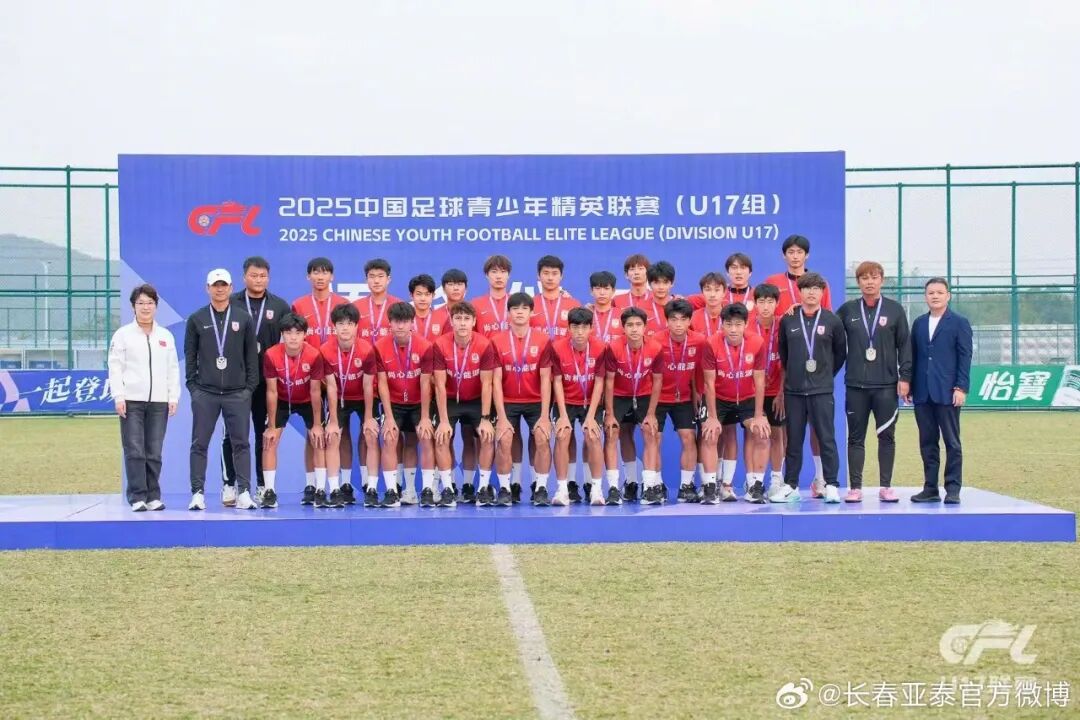
For the club, youth training is the living source of the player brokerage segment in the "4321" revenue system. Young players trained in-house can both strengthen the depth of the first team and achieve healthy monetization through compliant transfers, forming a virtuous cycle of "training - self-use - monetization - reinvestment." The biggest characteristic of the Changchun model is letting go of short-term performance anxiety, not blindly building squads with heavy spending, but steadily cultivating talent reserves. By relying on youth training for differentiated competition, it walks a new path of sustainable development without relying on money, laying a solid foundation for the club's long-term growth.
Custody is not about draining the "blood" of youth training but about "transfusing blood" to it. Stable investment guarantees allow this once-shaky "ballast" to finally settle down and take root.

Most domestic clubs under custody are essentially subject to long-term government bailouts and continuous state-owned capital transfusions, making it very difficult to exit. Changchun Yatai's custody has taken a completely innovative path: relying on the clear property rights of the Erdao District State-owned Assets Supervision and Administration Commission holding 100% shares, it forms a clear division of "state-owned controlling interest, Sports Bureau supervision." Moreover, it has designed a feasible exit mechanism in advance. Administrative custody is not permanent takeover. Once the "4321" revenue structure is stable, youth training talents are ready to take over in batches, and the base's self-cash flow model is proven, the sports department will return to its regulatory role, and the team will be handed over to professional managers for market-oriented independent operation.
Returning to the Chinese Super League within three years is Changchun Yatai's clear competitive goal, but this bone-scraping reform's evaluation criteria go far beyond promotion results. Compared to many clubs mired in debt and relying on life support, the core breakthrough of the Changchun model lies in: administrative power is not a "cash machine" but a "scalpel" to help the club regulate its body and remove the root of disease. Through lean management, diversified revenue layout, city-wide youth training foundation, and phased resolution of old debts, it gradually builds a healthy, controllable, and self-sustaining professional football ecosystem.
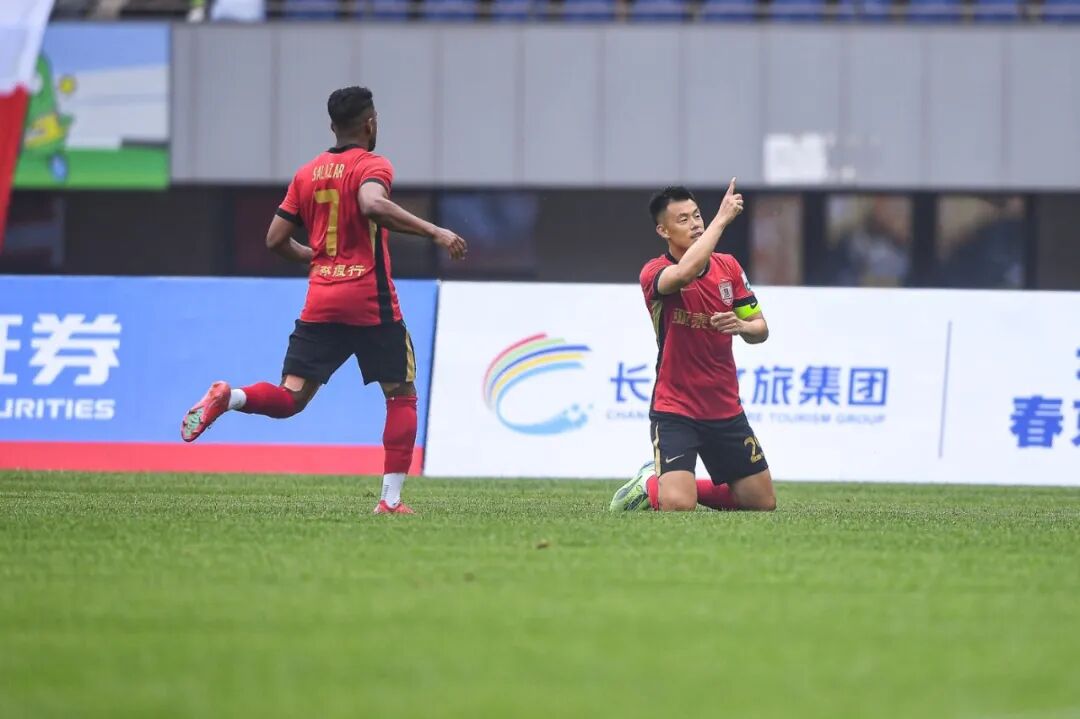
This transformation from "hesitant to take over" to "determined to reshape" is a microcosm of the "Changchun Model" taking root. Custody is not about dumping the burden on the government but using the administrative hand to put the derailed train back on track.
Over 30 years, Changchun Yatai is no longer just a football team; it is the hallmark and confidence of Changchun as a national football key city. Now that Chinese professional football has lost its capital heat, countless veteran clubs are struggling to survive. The Changchun Sports Bureau's custody is by no means simply "saving one team" but an active exploration by a city of the future path for professional football. Short-term performance stagnation is the inevitable pain of rebirth; systemic reshaping and foundation solidification are the keys to determining the rise and fall of a city's football.
Currently, this new custody model of "clear ownership, thorough reshaping, and feasible exit" is still being refined and iterated. Whether it can continue to adhere to this healthy development path after returning to the Super League remains to be tested by time and the league. But there is no denying that at a time when the entire industry is confused, Changchun has already provided a highly valuable reference answer: the ultimate meaning of government backing and administrative intervention is not to keep the team alive through transfusions but to help the team heal old diseases, strengthen its physique, and gain the ability to live and develop independently. Shedding the glitz, returning to the root, Changchun Yatai's rebirth is providing a replicable "Changchun Plan" for the breakthrough path of veteran Chinese professional clubs.


Wonderfulshortvideo

mbappe news mbappe edit mbappe new shoe boot deal mbappe nike


julian alvarez barcelona news
James Trafford’s big moment in the U21 EURO final 🤯

RODRI BARCELONA transfer barcelona news today rodri to barcelona transfer here we go
gianni infantino and trump drama news

jorge messi death messi news today football news today
jose mourinho netflix documentary pep guardiola mourinho beef mourinho edit
 Links
Links
 Contact